magnet cranes

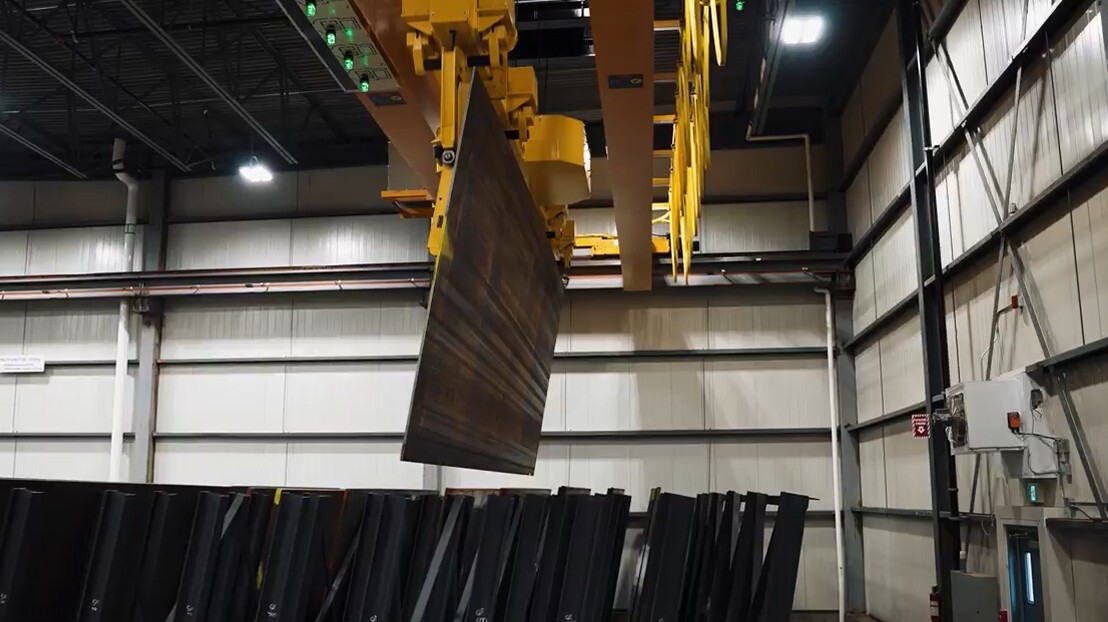
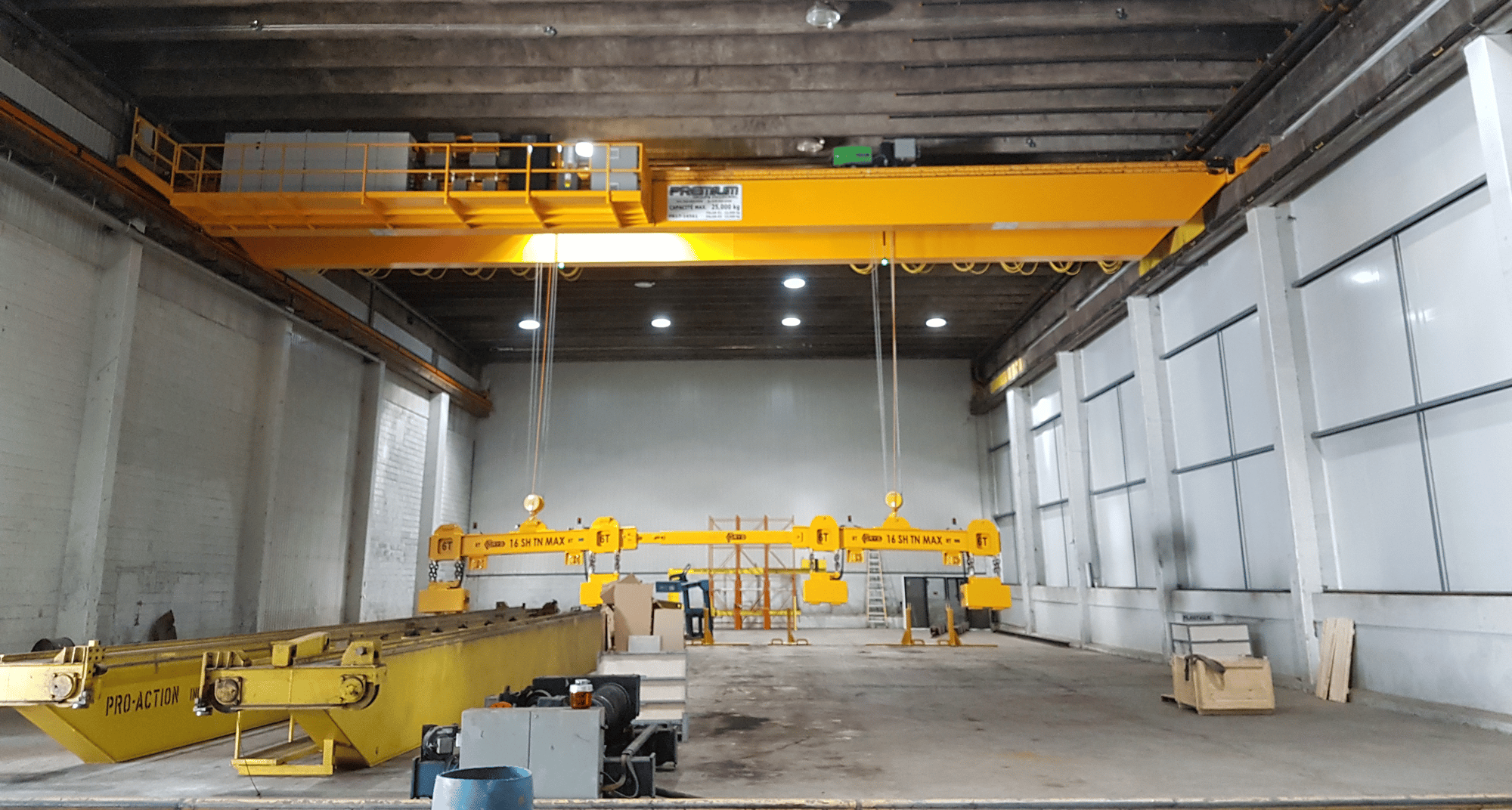
Magnet overhead cranes


Why choose a magnetic overhead crane?


A magnetic overhead crane can significantly transform your material handling operations. Here’s what you stand to gain:
 
  • Increased efficiency for high-volume production
    Eliminate slinging time and accelerate your loading and unloading cycles.

  • A major boost in workplace safety
    Reduce or eliminate the need for human intervention during handling, lowering the risk of accidents.

  • Better use of floor space
    Remove pedestrian zones typically used for manual interventions and free up space for more productive operations.

In an industrial environment where speed, precision, and safety are critical, a magnetic overhead crane stands out as a reliable, high-performance, and long-term solution.

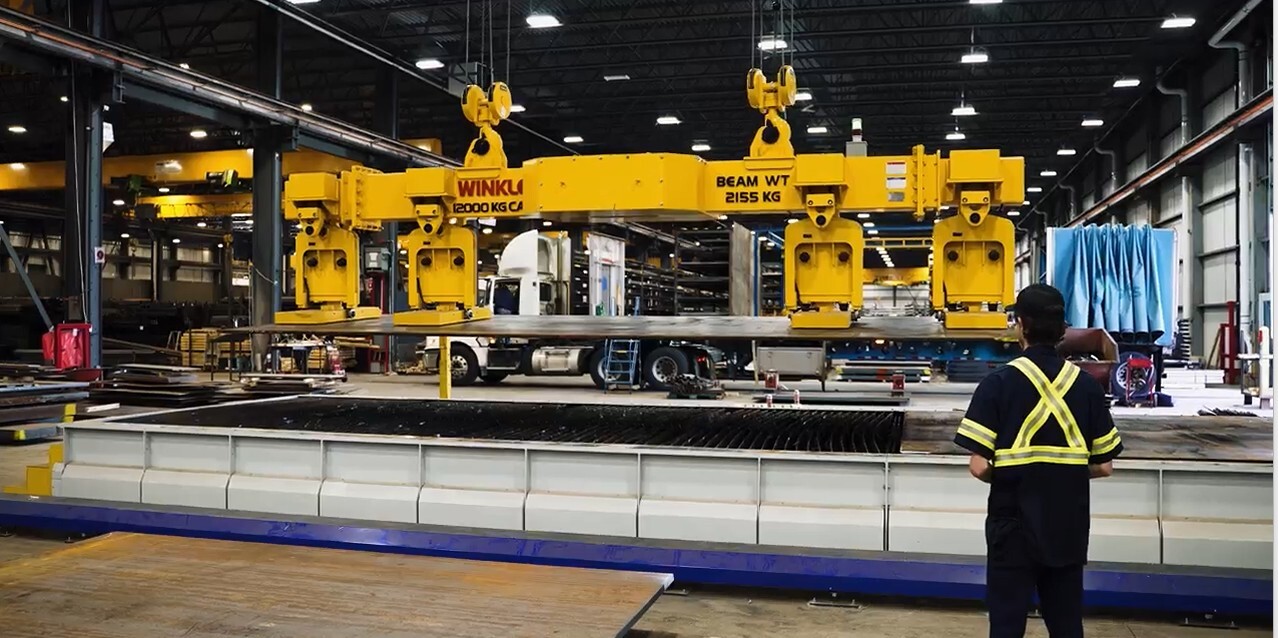
There are 2 main types of magnet: electromagnet or permanent magnet.


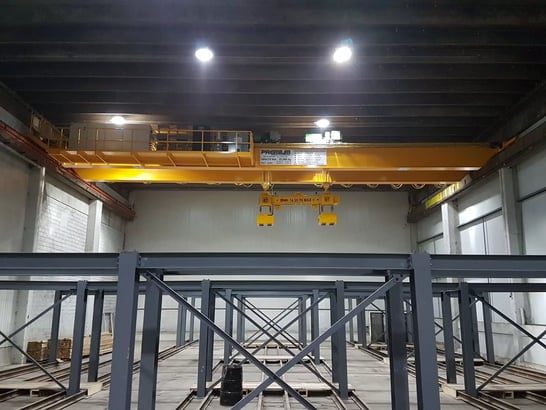
Rolling bridge-electromagnet-min-scaled

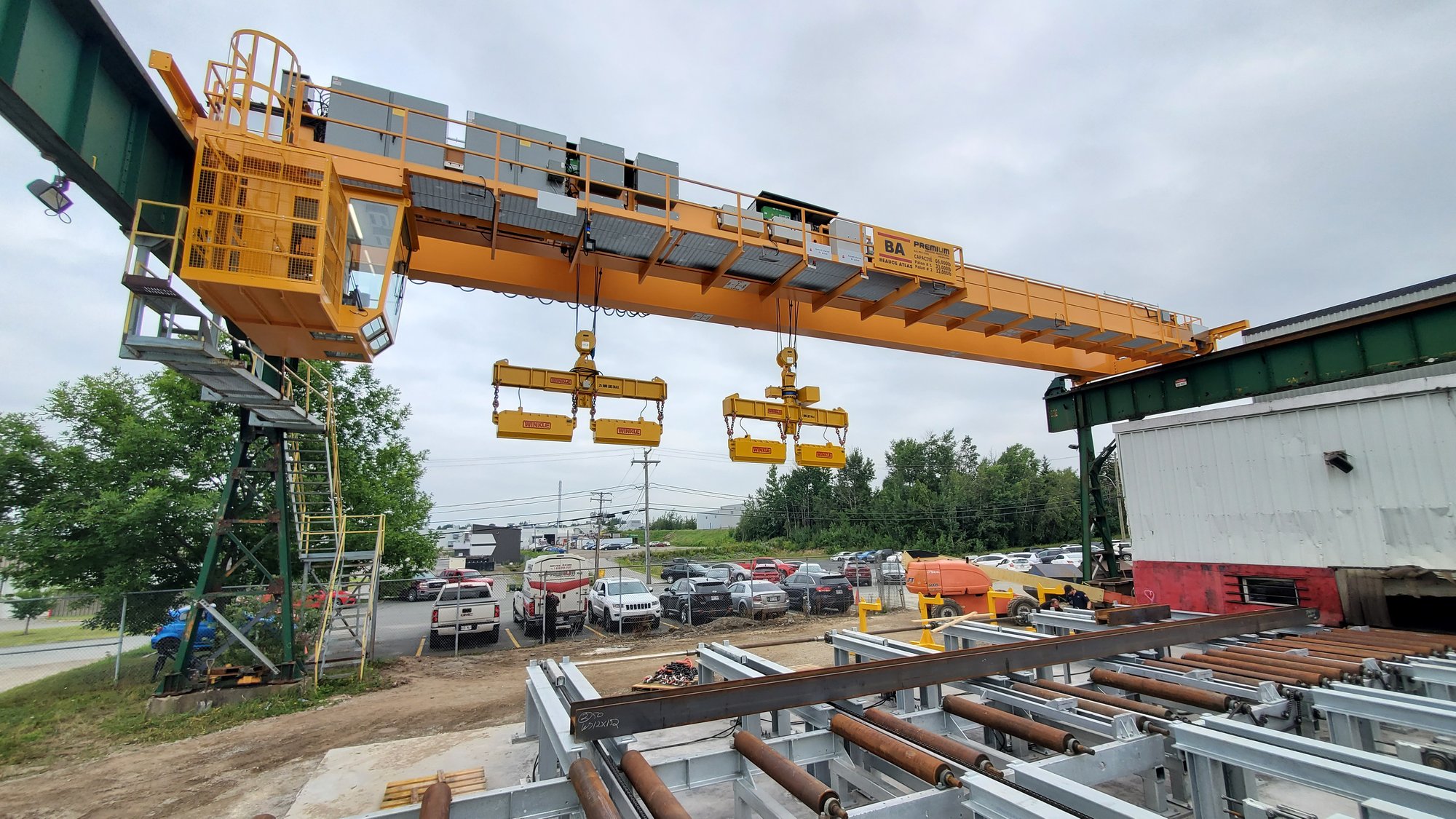
Overhead crane with
electromagnet

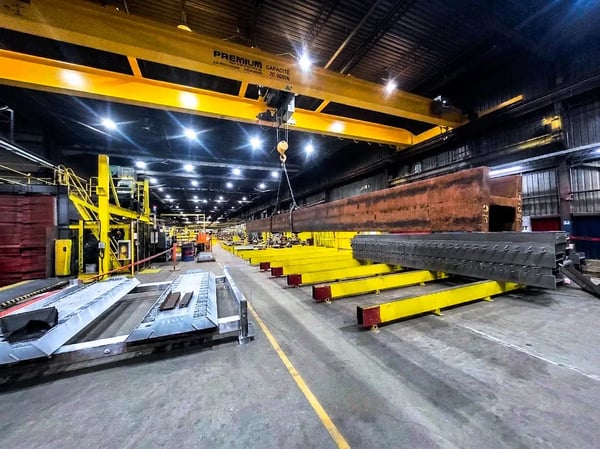
The electromagnet is a technology that magnetizes the magnet when electric current is supplied. Then, when the power is cut off, the magnet demagnetizes. Activation and deactivation of the magnetism is rapid, and its power can vary.
 
Advantages of the electromagnet :
  • Quick to magnetize and demagnetize (higher productivity)
  • Magnetic power dimming from 0% to 100% is quick and easy
  • Outdoor use
  • Affordable
image (3)
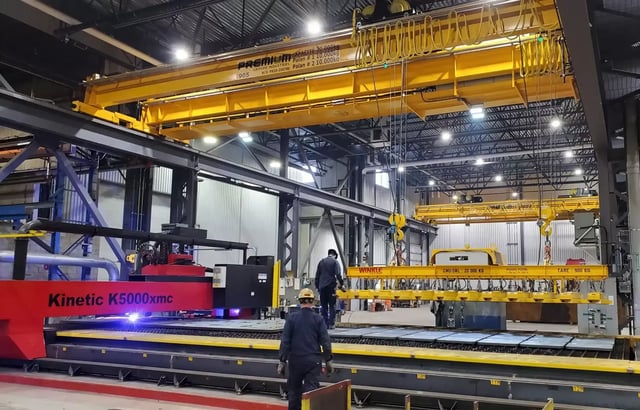
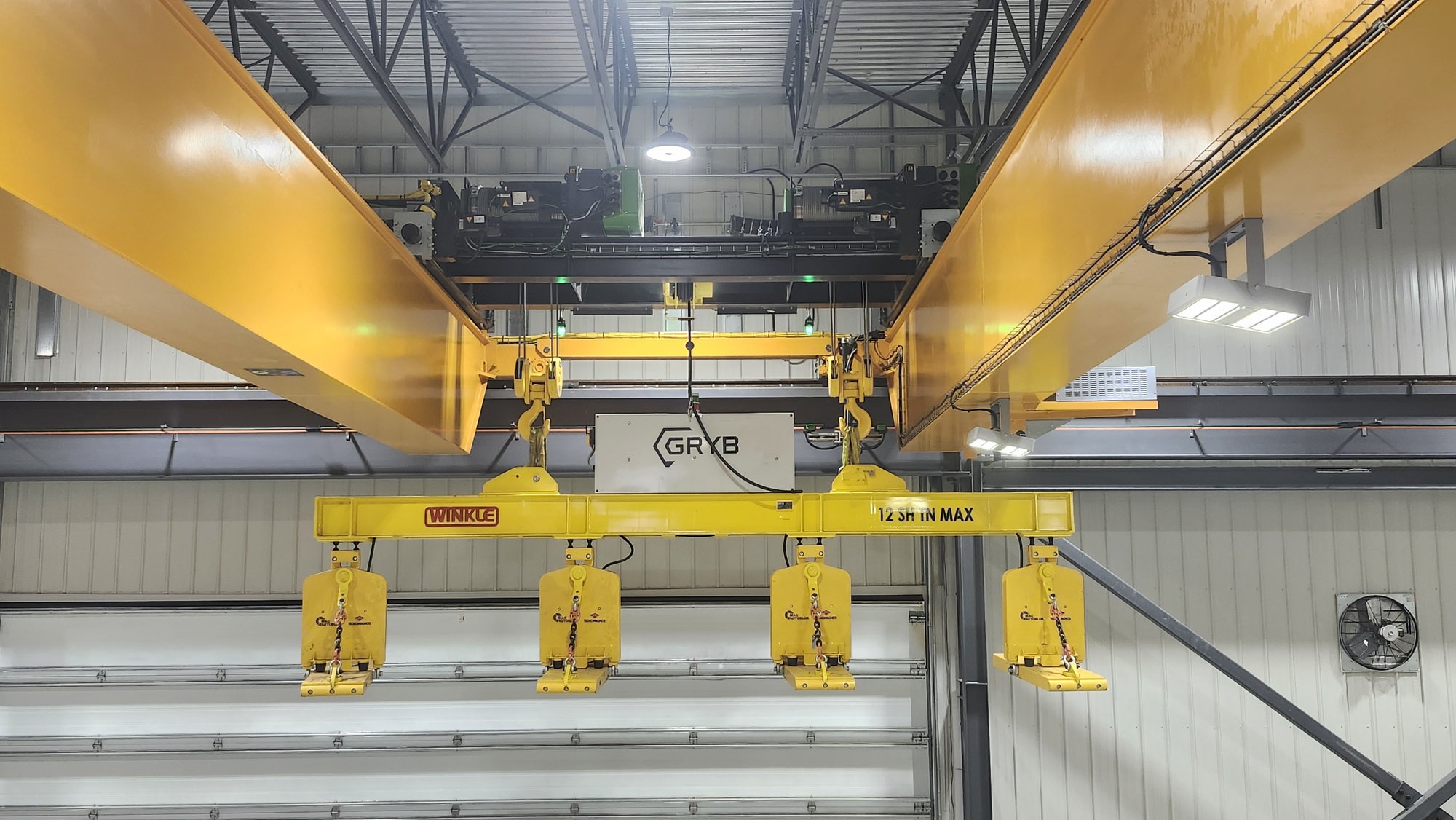
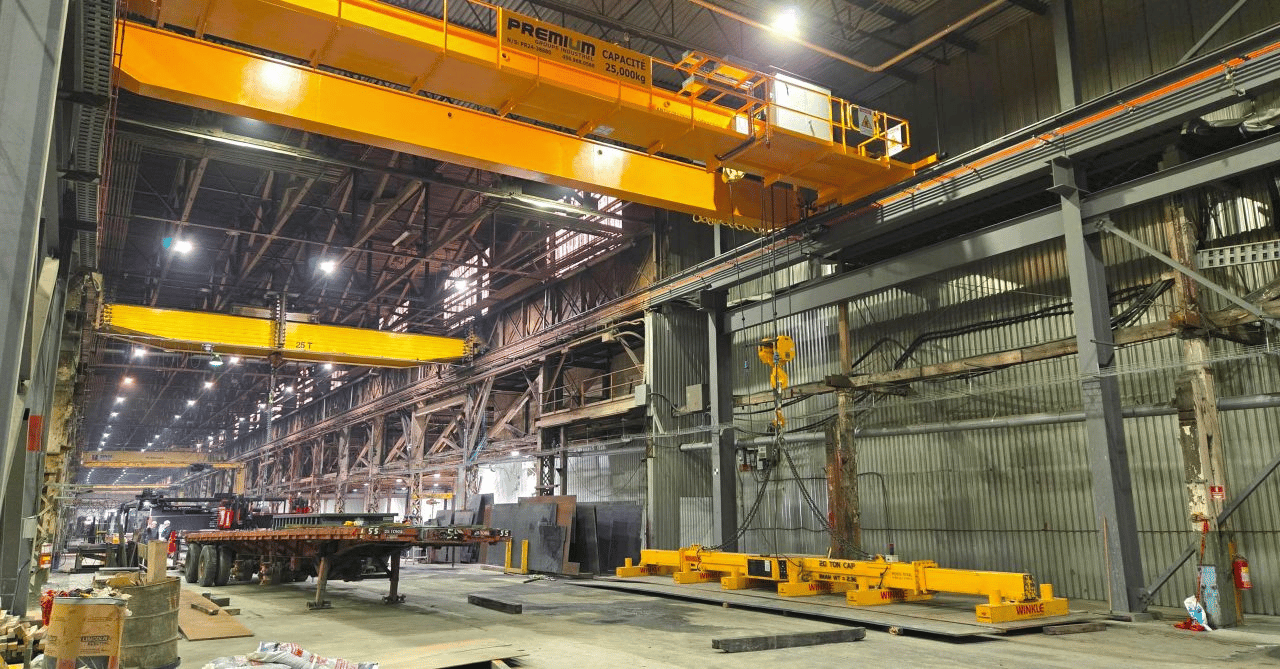
Permanent magnet overhead crane

Permanent magnet overhead cranes

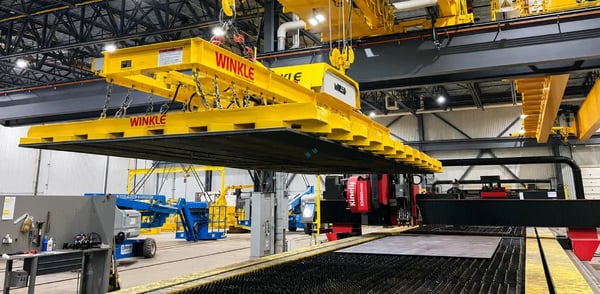
The permanent magnet is a different technology. Electrical energy is sent to the magnet for a few seconds to change its polarity. Once the magnet is magnetized, it no longer requires power to remain magnetized. Current must be sent to the magnet again to reverse its polarity and demagnetize it.
 
Advantages of permanent magnets :
  • Less energy-consuming (economical)
  • In the event of a power cut, the charge is maintained thanks to permanent magnetism. No battery system required.
  • Reduced maintenance, as fewer electrical components are required.


image (3)
20190726_085016

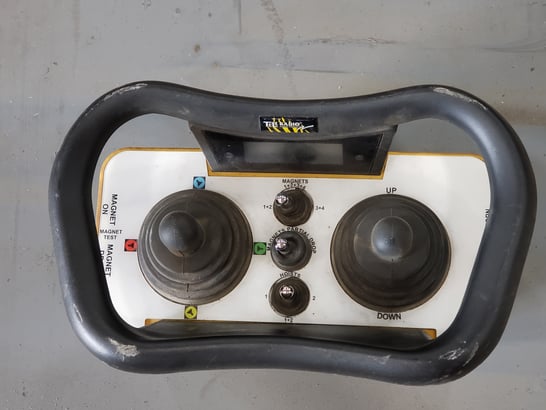
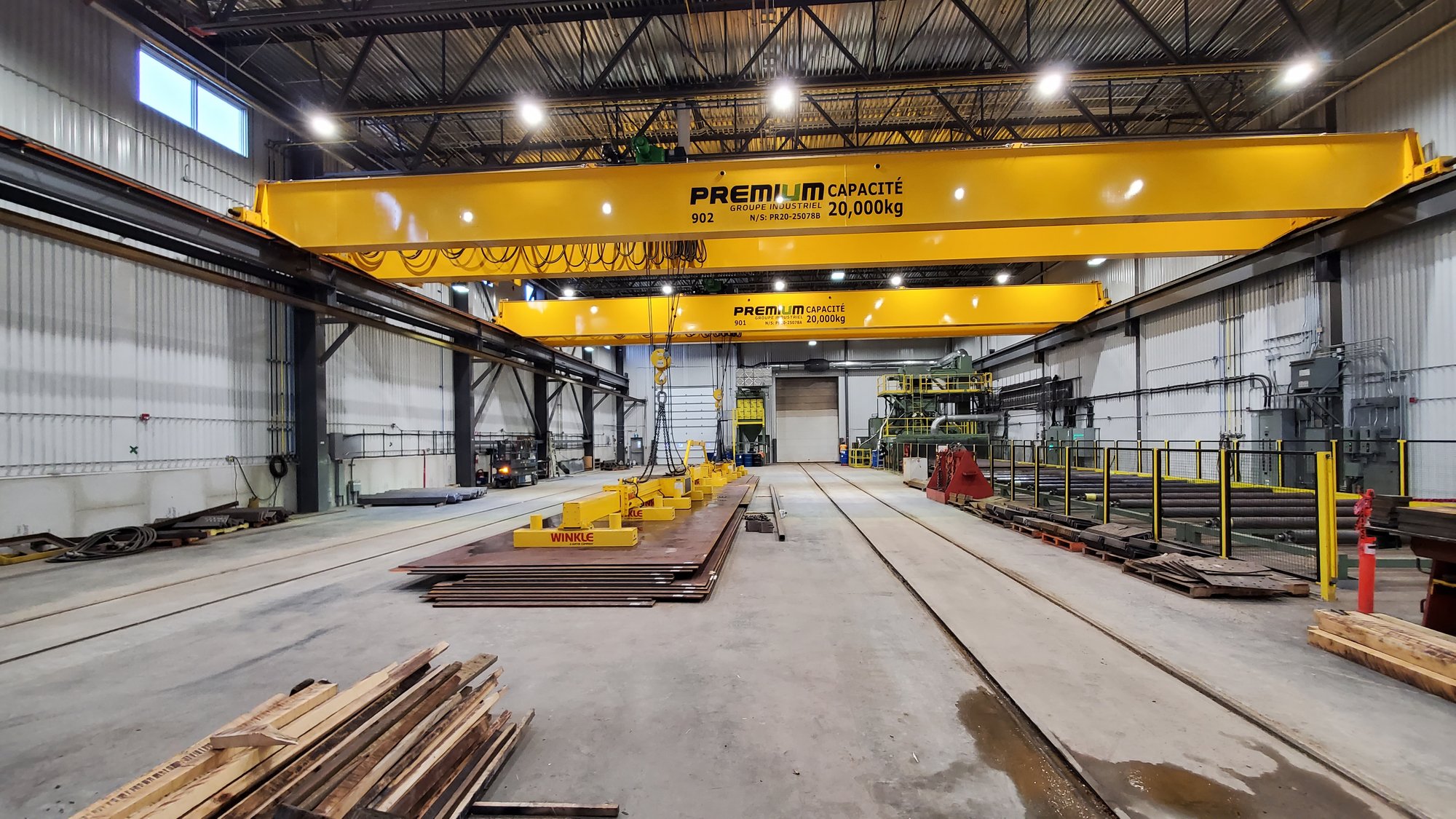
Integrated remote control


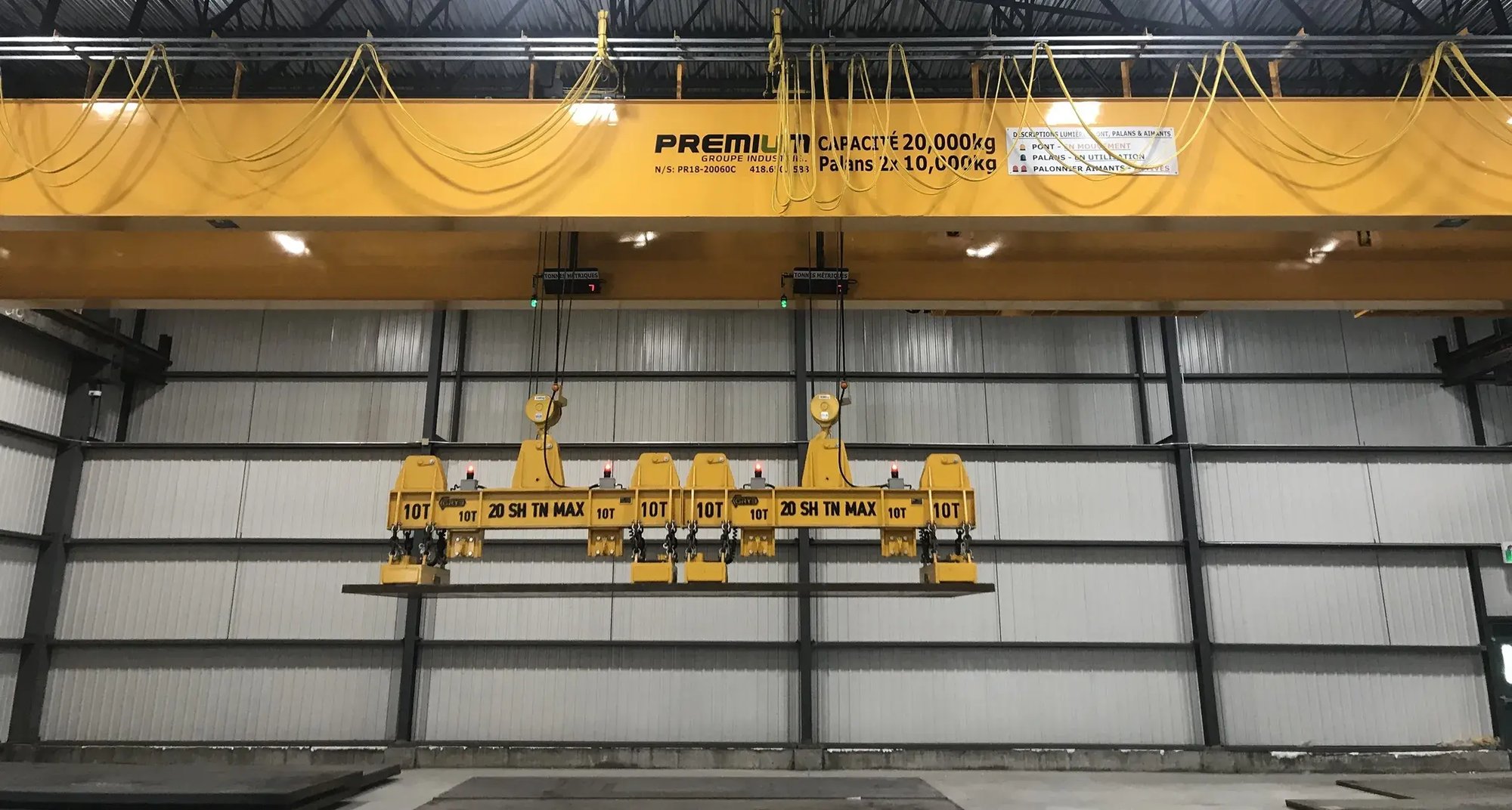
Whether using a joystick or push-button remote, integrating magnet control directly into the crane’s operating system allows the operator to perform all maneuvers remotely and safely.

image (3)
20190726_085136

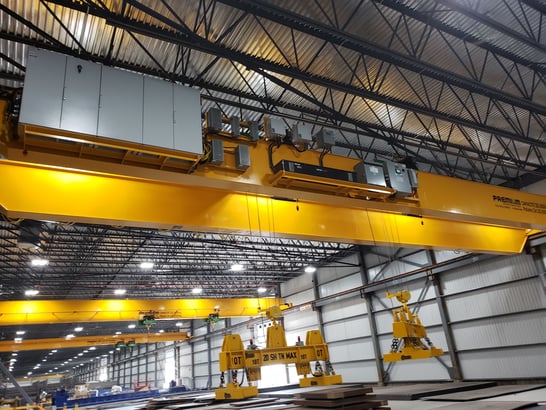
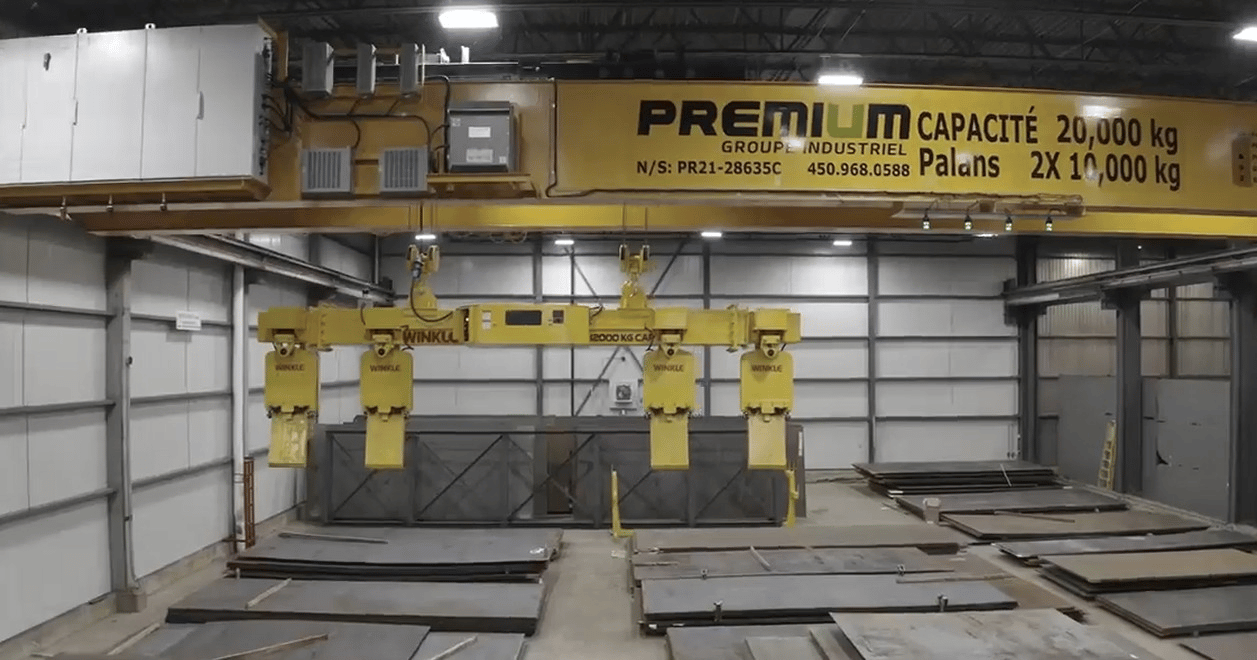
Dedicated electrification for magnet systems


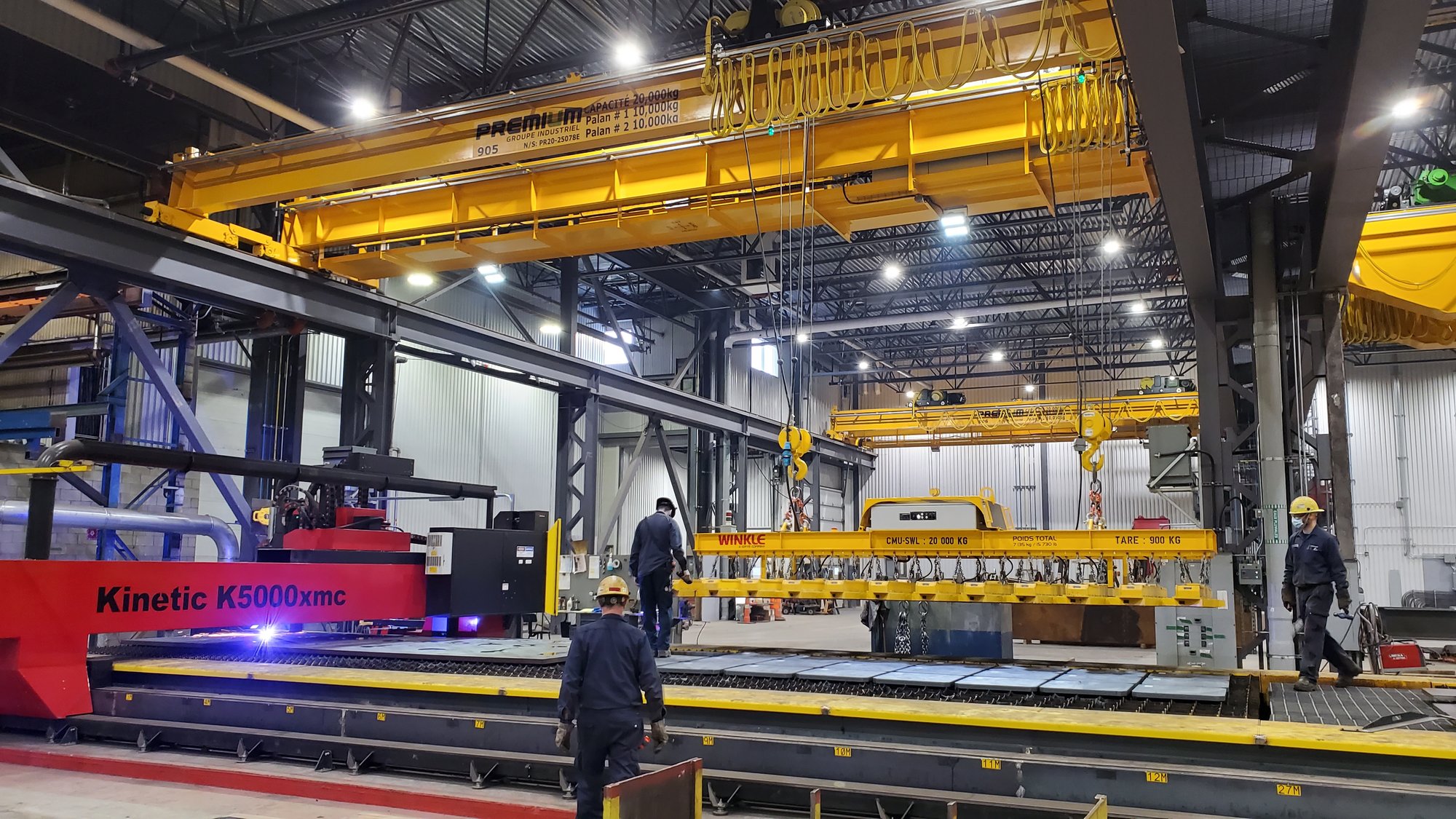
The electrification of a magnetic overhead crane must include a configuration specifically designed for magnet control and power supply.
In the case of electromagnets, a dedicated space for backup batteries may also be required to ensure safe operation in the event of a power outage.
image (3)

Frequently asked questions

How does an overhead crane with lifting magnets differ from a standard overhead crane?


A magnetic overhead crane is not just a standard crane with a magnet attached as an afterthought.

This type of equipment is purpose-built with a dedicated mechanical and electrical design for magnetic integration.
This means:
 
  • A reinforced mechanism and structural frame, to handle magnetic loads and their specific constraints.

  • A specialized electrical system, designed to power control and the magnets' functions.

  • Complete coordination between components including the magnet system, remote control and lifting logic.

To ensure performance, reliability, and safety, you must work with a manufacturer who has proven expertise in the design of magnetic overhead cranes. This level of integration cannot be improvised.


Who provides the magnets and how to choose the right system?

It’s important to understand that the magnet system is not a simple accessory it’s a machine in itself, with its own electrical, control, and safety components.
 
That’s why we recommend working with a specialist in magnetic lifting systems, who can:
  • Analyze your materials and handling conditions;

  • Recommend the most suitable technology (such as electromagnets or permanent magnets);

  • Design, commission, and provide ongoing maintenance for the complete system.

Once the magnet technology has been selected, we can then evaluate how to integrate the system into the crane’s controls and electrical configuration.
We have completed multiple magnetic crane projects in collaboration with GRYB, a trusted and recognized specialist in the field of industrial lifting magnets.


What technologies can be integrated into a magnetic overhead crane?


Several technology options can be added to tailor your equipment to your specific operational needs. Here are the key features:
  • Smart load limiter
    Automatically adjusts lifting capacity based on the load to prevent dangerous overloading.
  • Modular magnet groups
    Allows independent activation of magnet groups based on the size, shape, or layout of the materials being lifted.
  • Magnet power selection
    Adjusts magnetic strength depending on the type of material, ensuring optimal efficiency without damaging the load.
  • Crane remote with integrated control
    Centralizes command and safety functions into a single interface, simplifying use and reducing human error.
  • Anti-sway system
    Minimizes pendulum motion during transport, improving both safety and positioning accuracy.
  • Overhead crane magnet - Picard 2
  • Overhead crane magnet - Picard 1
  • LJL Mécanique - palonnier
  • Acier Picard Varennes - palonnier
  • Beauce Atlas
  • Canam Sherbrooke-1
  • Canam structal 3
  • Canam structal 4
  • Robert transport

Where to Start?

Here are the recommended steps to begin a magnetic overhead crane project:
 
  1. 1. Assess Your Lifting Needs
    Do you handle scrap metal, offcuts, or steel plates?
    Do you need to lift one piece at a time or multiple pieces simultaneously?
    Is your material stored flat or vertically?
    What is your daily or weekly lifting volume?

  2.  
  3. 2. Contact a Magnetic Lifting Specialist
    This expert will help you determine the most suitable technology (electromagnet, permanent magnet, modular system, etc.) based on your specific needs.

  4.  
  5. 3. Connect with the Overhead Crane Manufacturer
    Once the magnet system has been selected, it’s essential to share with the manufacturer:

  • The technical specifications of the magnet;

  • Your operation cycles;

  • Any constraints related to integration (height, space, remote control, safety, etc.)

If you're ready to take the next step, you can speak directly with a magnetic lifting specialist by clicking the “Contact a Specialist” button.

FAQ

01.
Magnet or vacuum lifter: which one should you choose?
The starting point is not capacity, it is the material and the number of pieces per cycle. A vacuum lifter generally costs less and picks up one plate at a time, which is an advantage when you need to feed a cutting table piece by piece, but it requires a smooth, clean and non-porous surface. A magnet works on carbon steel even when it is dirty, rusted or unfinished, and it can lift several plates at once, which speeds up high-volume cycles but calls for control when you only want one. 
02.
What happens during a power failure?
A permanent magnet holds the load without any power supply. An electromagnet requires backup batteries (often in option), an alarm and a safe load-lowering procedure. In both cases, the space and weight of those components have to be planned into the crane design from the start. 
03.
Does the weight of the magnet count toward the crane's capacity?
Yes. The rated load has to cover the workpiece plus the magnet, the spreader beam, the crossbar and the batteries. That dead weight affects the hoist, the crane, the runway and the building structure. The assembly also reduces the usable lifting height under the hook. 
04.
Can a magnet be added to an existing overhead crane?
Sometimes, but never without an analysis. You need to confirm the remaining capacity, the duty classification (cycles become far more frequent), the electrification and the integration of the controls. In many cases, replacing the crane costs less than adapting equipment that was never designed for this use. 
05.
How much does a magnet overhead crane cost?
Plan for two budgets: the overhead crane and the magnet system, which is a machine in its own right. At equal capacity, the crane costs more than a standard model because of a more severe duty classification, a reinforced structure and a dedicated electrification. 

Learning Center

Whether you're an expert or know nothing about cranes, you'll find everything you need to know HERE.
01

The Premium team was able to meet our needs with fast, professional, and efficient service. The products (overhead cranes) and services (overhead crane installation) provided were of great quality. I highly recommend them.

Simon Trudel
LJL Mécanique
02

Leur capacité à être à l'écoute de nos besoins spécifiques a été un point fort majeur. Ils ont toujours répondu rapidement et efficacement, surtout dans des situations d'urgence, ce qui a grandement contribué à la continuité et au succès de nos opérations. Je recommande vivement le Groupe Industriel Premium à toute entreprise à la recherche d'un partenaire fiable, structuré et réactif. Leur professionnalisme et leur engagement envers la qualité et la sécurité font d'eux un modèle dans l'industrie.

Jean-Denis Perron
Groupe Picard
03

Premium has been our overhead crane supplier for 20 years. In case of an emergency, Premium responds quickly to resolve the situation and allow us to get back to work with minimal downtime.

Mark Makarios
EMJ Metals