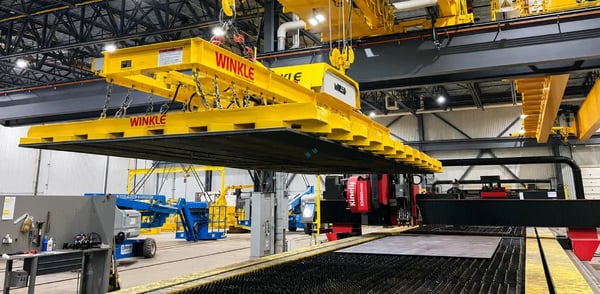
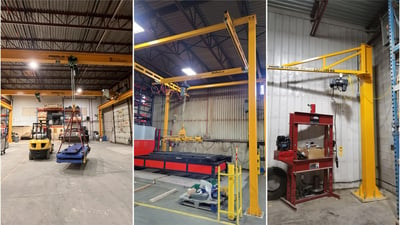
jib crane

Jib cranes

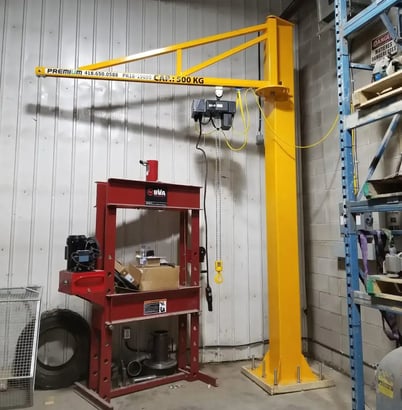
Jib cranes handle loads in rotation.

Jib cranes


What are jib cranes?

Jib cranes are used to manipulate loads in rotation (e.g. 180, 220, 270, 360 degrees) during handling.


What are the different types?

There are several types, including wall-mounted, freestanding and articulated jib cranes.


How to Choose the Right Jib Crane?

Jib cranes are often used to make operators’ work easier. Since boom rotation and trolley movement are usually manual, ergonomics should be a key consideration to reduce fatigue and the risk of injury.
 
Here are three elements to consider:
 
Jib Height
A jib that’s too tall makes maneuvers more difficult. In general, it’s best to stay below a height of 16 feet.
Beyond this height, movements become more strenuous; it may then be worth considering motorization for rotation or trolley movement.
 
Ease of Rotation
The boom should rotate without excessive effort. The farther the load is from the rotation axis (hinges), the easier the boom will be to maneuver.
Proper positioning of the jib will help operators work more efficiently.
 
Boom Weight
A boom that is too heavy or too long will require more effort during maneuvers.
It’s therefore important to assess the actual lifting capacity needed without oversizing unnecessarily, and to choose the jib crane model best suited to the task.
Lighter booms, especially those equipped with ergonomic rails, enhance operator comfort.
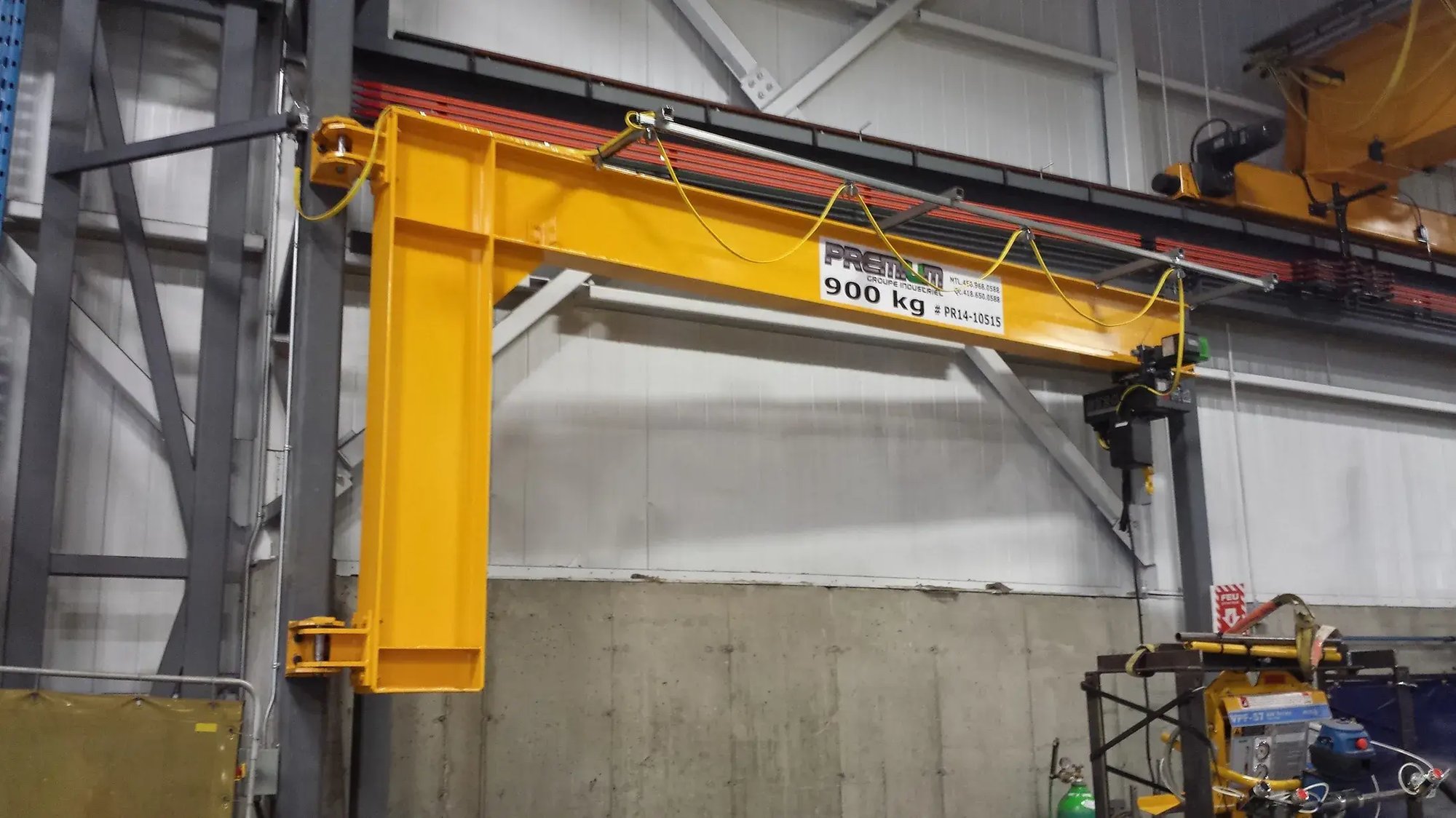
Wall cantilever jib crane

Wall cantilever jib crane


  • Maximizes available lifting height
  • Standard coverage 220 degrees
  • Standard capacity up to 5 Tm (metric tons)
  • Standard boom length up to 20 feet
  • Manual rotation and motorized options
  • Ergonomic or conventional configuration
image (3)

Lorem ipsum dolor sit amet, consectetur adipiscing elit.

Lorem ipsum dolor sit amet, consectetur adipiscing elit. Etiam eu turpis molestie, dictum est a, mattis tellus. Sed dignissim, metus nec fringilla accumsan, risus sem sollicitudin lacus, ut interdum tellus elit sed risus. Maecenas eget condimentum velit, sit amet feugiat lectus.

1.

Self-supporting structure on concrete slab

Who?
Vector (11)
Description
Fixed to a concrete slab 1 with chemical adhesive and anchoring rods. This concept is also known as a self-supporting bridge crane.
Who?
Vector (11)
Description
Fixed to a concrete slab 1 with chemical adhesive and anchoring rods. This concept is also known as a self-supporting bridge crane.
Who?
Vector (11)
Description
Fixed to a concrete slab 1 with chemical adhesive and anchoring rods. This concept is also known as a self-supporting bridge crane.
Who?
Vector (11)
Description
Fixed to a concrete slab 1 with chemical adhesive and anchoring rods. This concept is also known as a self-supporting bridge crane.
Wall bracket jib crane

Wall bracket jib crane


  • Most economical model
  • Standard coverage 220 degrees
  • Standard capacity up to 5 Tm (metric tons)
  • Standard boom length up to 30 feet
  • Manual rotation and motorized options
  • Ergonomic or conventional configuration
image (3)

Lorem ipsum dolor sit amet, consectetur adipiscing elit.

Lorem ipsum dolor sit amet, consectetur adipiscing elit. Etiam eu turpis molestie, dictum est a, mattis tellus. Sed dignissim, metus nec fringilla accumsan, risus sem sollicitudin lacus, ut interdum tellus elit sed risus. Maecenas eget condimentum velit, sit amet feugiat lectus.

1.

Self-supporting structure on concrete slab

Who?
Vector (11)
Description
Fixed to a concrete slab 1 with chemical adhesive and anchoring rods. This concept is also known as a self-supporting bridge crane.
Who?
Vector (11)
Description
Fixed to a concrete slab 1 with chemical adhesive and anchoring rods. This concept is also known as a self-supporting bridge crane.
Who?
Vector (11)
Description
Fixed to a concrete slab 1 with chemical adhesive and anchoring rods. This concept is also known as a self-supporting bridge crane.
Who?
Vector (11)
Description
Fixed to a concrete slab 1 with chemical adhesive and anchoring rods. This concept is also known as a self-supporting bridge crane.
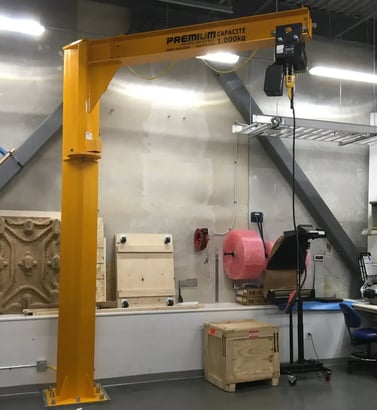
Freestanding jib crane

Freestanding jib crane


  • Standard coverage 220 degrees and optional up to 360 degrees
  • Standard capacity up to 5 Tm (metric tons)
  • Manual rotation and motorized version available
  • Ergonomic or conventional configuration
  • Fixed to concrete floor with oversized base plate or on concrete foundation
image (3)

Lorem ipsum dolor sit amet, consectetur adipiscing elit.

Lorem ipsum dolor sit amet, consectetur adipiscing elit. Etiam eu turpis molestie, dictum est a, mattis tellus. Sed dignissim, metus nec fringilla accumsan, risus sem sollicitudin lacus, ut interdum tellus elit sed risus. Maecenas eget condimentum velit, sit amet feugiat lectus.

1.

Self-supporting structure on concrete slab

Who?
Vector (11)
Description
Fixed to a concrete slab 1 with chemical adhesive and anchoring rods. This concept is also known as a self-supporting bridge crane.
Who?
Vector (11)
Description
Fixed to a concrete slab 1 with chemical adhesive and anchoring rods. This concept is also known as a self-supporting bridge crane.
Who?
Vector (11)
Description
Fixed to a concrete slab 1 with chemical adhesive and anchoring rods. This concept is also known as a self-supporting bridge crane.
Who?
Vector (11)
Description
Fixed to a concrete slab 1 with chemical adhesive and anchoring rods. This concept is also known as a self-supporting bridge crane.
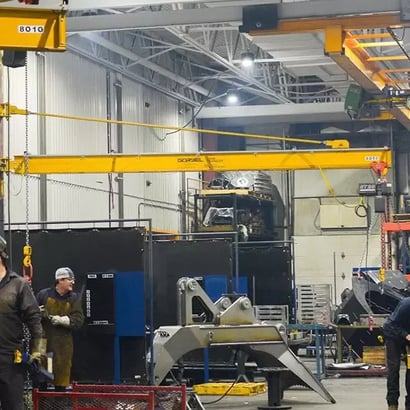
Ergonomic jib crane

Ergonomic jib crane


  • Lighter than conventional steel jib cranes
  • The cart moves more easily on the boom
  • Available in freestanding or wall-mounted versions
  • Standard coverage 220 degrees, optional up to 360 degrees
  • Standard capacity up to 1 Tm (metric ton)
image (3)

Lorem ipsum dolor sit amet, consectetur adipiscing elit.

Lorem ipsum dolor sit amet, consectetur adipiscing elit. Etiam eu turpis molestie, dictum est a, mattis tellus. Sed dignissim, metus nec fringilla accumsan, risus sem sollicitudin lacus, ut interdum tellus elit sed risus. Maecenas eget condimentum velit, sit amet feugiat lectus.

1.

Self-supporting structure on concrete slab

Who?
Vector (11)
Description
Fixed to a concrete slab 1 with chemical adhesive and anchoring rods. This concept is also known as a self-supporting bridge crane.
Who?
Vector (11)
Description
Fixed to a concrete slab 1 with chemical adhesive and anchoring rods. This concept is also known as a self-supporting bridge crane.
Who?
Vector (11)
Description
Fixed to a concrete slab 1 with chemical adhesive and anchoring rods. This concept is also known as a self-supporting bridge crane.
Who?
Vector (11)
Description
Fixed to a concrete slab 1 with chemical adhesive and anchoring rods. This concept is also known as a self-supporting bridge crane.
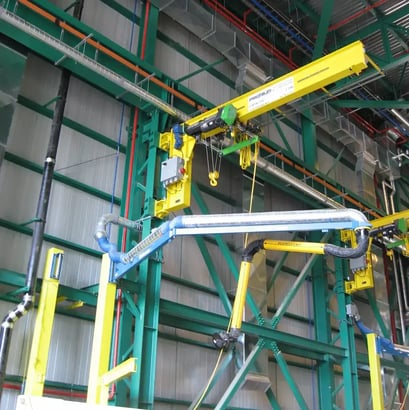
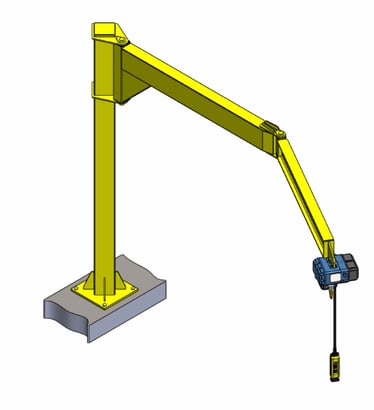
worker manipulating a Articulated jib crane

Articulated jib crane


  • For use in restricted areas
  • Available in freestanding or wall-mounted versions
  • Coverage up to 270 degrees and optional 360 degrees
  • Standard capacity up to 1 Tm (metric ton)
  • Standard boom length up to 16 feet
image (3)

Lorem ipsum dolor sit amet, consectetur adipiscing elit.

Lorem ipsum dolor sit amet, consectetur adipiscing elit. Etiam eu turpis molestie, dictum est a, mattis tellus. Sed dignissim, metus nec fringilla accumsan, risus sem sollicitudin lacus, ut interdum tellus elit sed risus. Maecenas eget condimentum velit, sit amet feugiat lectus.

1.

Self-supporting structure on concrete slab

Who?
Vector (11)
Description
Fixed to a concrete slab 1 with chemical adhesive and anchoring rods. This concept is also known as a self-supporting bridge crane.
Who?
Vector (11)
Description
Fixed to a concrete slab 1 with chemical adhesive and anchoring rods. This concept is also known as a self-supporting bridge crane.
Who?
Vector (11)
Description
Fixed to a concrete slab 1 with chemical adhesive and anchoring rods. This concept is also known as a self-supporting bridge crane.
Who?
Vector (11)
Description
Fixed to a concrete slab 1 with chemical adhesive and anchoring rods. This concept is also known as a self-supporting bridge crane.

Frequently asked questions

01.
Wondering if the jib crane is the only option for light loads?
Other lifting devices are designed for light loads: the ergonomic overhead crane, the conventional overhead crane and the jib crane. The ergonomic overhead crane is ideal for frequent operations, and its design makes it easy to move around. The conventional overhead crane is better suited to long spans and motorized movements. The jib crane, on the other hand, is flexible and can be used in confined spaces. The choice of equipment depends on the specific needs of the application, the frequency of use and the working environment. For a complete overview, we invite you to read our article:  What equipment should you choose for lifting light loads? Ergonomic crane vs. conventional crane vs. jib crane
02.
What are the advantages of a jib crane?
A : The lifting jib is a simple, economical and space-saving piece of equipment, ideal for serving a workstation.
03.
What are the inconveniences of a jib crane?
A : Its limitations lie in its lifting capacity and reduced span. It's often more difficult to turn when the load is close to the hinges.
04.
Do I need a horn on my jib crane?
A : You don't need a horn on your jib cranes if the rotation or movement of the cart is manual. However, if the cart or rotation is motorized, a horn is necessary to ensure safety. For more details, please consult the full article: Do I need a horn on my hoists?
01

Their ability to listen to our specific needs has been a major strength. They have always responded quickly and efficiently, especially in emergency situations, which has greatly contributed to the continuity and success of our operations. I highly recommend Groupe Industriel Premium to any company looking for a reliable, structured, and responsive partner. Their professionalism and commitment to quality and safety make them a model in the industry.

Jean-Denis Perron
Groupe Picard

Learning Center

Whether you're an expert or know nothing about cranes, you'll find everything you need to know HERE.