Learning center
Whether you're an expert or know nothing about cranes, you'll find everything you need to know HERE.
.webp?width=20&height=22&name=Vector%20(9).webp)
%20(2).webp?width=1080&height=685&name=image%20(42)%20(2).webp)

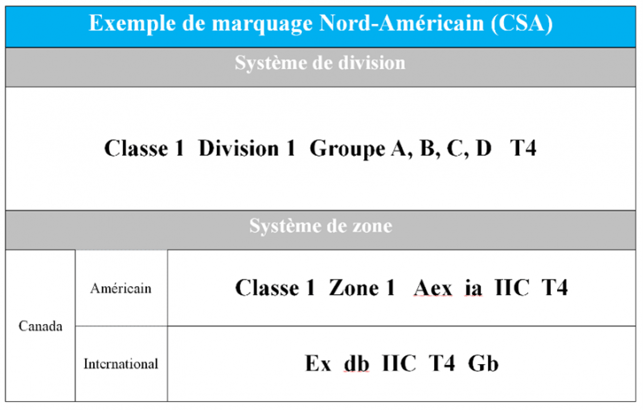
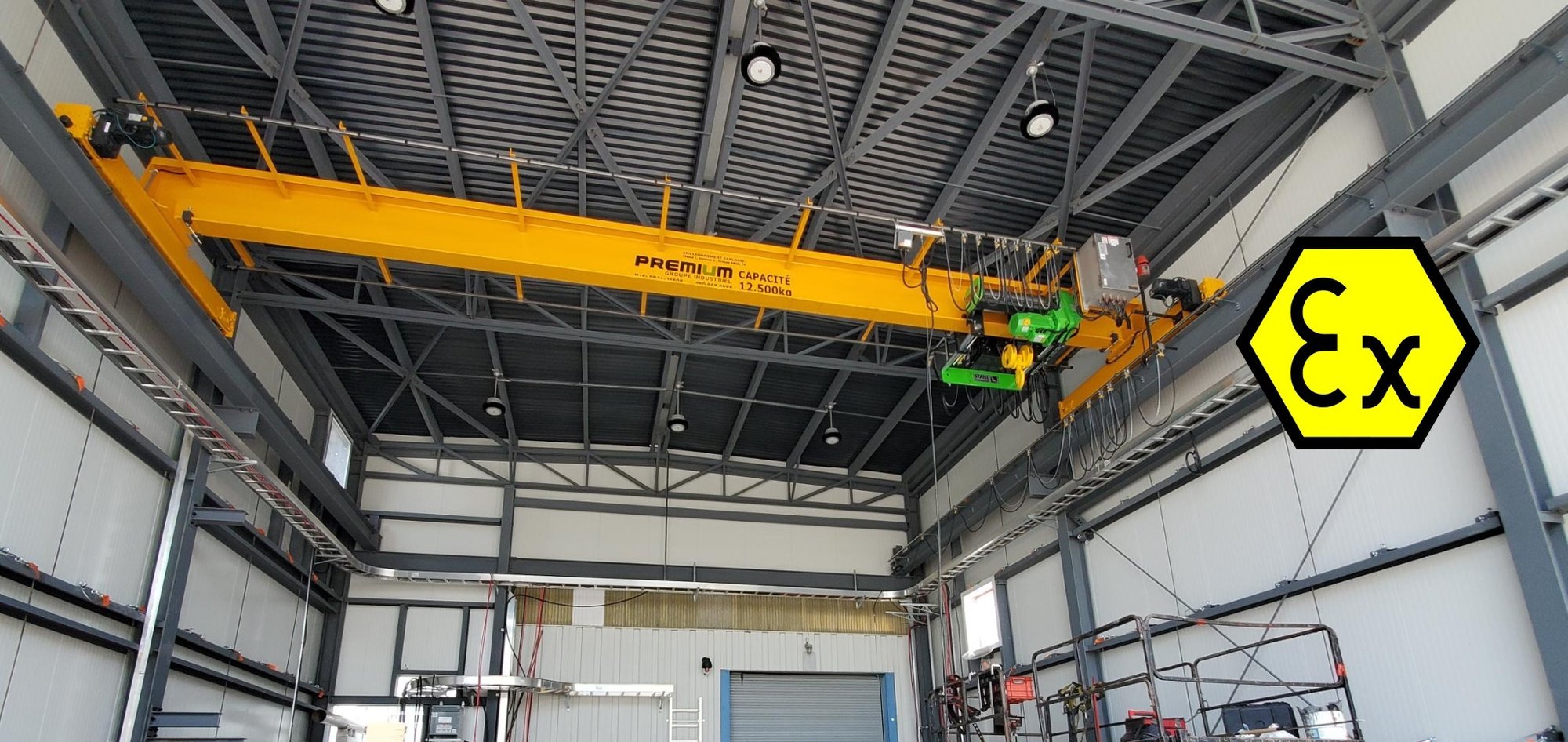
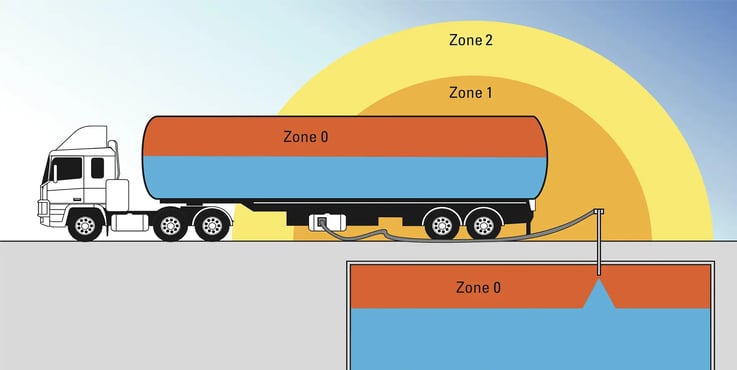
Hazardous locations are classified according to the type of danger involved: Class I locations (Zone 0,1,2) involve flammable gases or vapors in sufficient quantities to form explosive atmospheres, while Class II locations (Zone 20,21,22) are characterized by the presence of combustible or electrically conductive dusts. The classification by an expert specifies the location of the equipment in the room, the type of substance and the environment, as well as the maximum surface temperature of the equipment, in order to prevent any risk of self-ignition.
Canada/US: Class I,II division 1,2
Canada/other countries: Zone 0,1,2 or 20,21,22
.webp?width=537&height=410&name=image%20(3).webp)
Lorem ipsum dolor sit amet, consectetur adipiscing elit. Etiam eu turpis molestie, dictum est a, mattis tellus. Sed dignissim, metus nec fringilla accumsan, risus sem sollicitudin lacus, ut interdum tellus elit sed risus. Maecenas eget condimentum velit, sit amet feugiat lectus.
.webp?width=20&height=15&name=Vector%20(11).webp)
Lorem ipsum dolor sit amet, consectetur adipiscing elit. Etiam eu turpis molestie, dictum est a, mattis tellus. Sed dignissim, metus nec fringilla accumsan, risus sem sollicitudin lacus, ut interdum tellus elit sed risus. Maecenas eget condimentum velit, sit amet feugiat lectus.
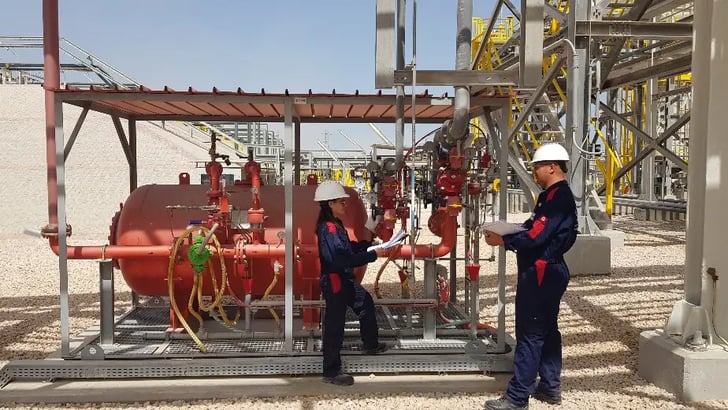
The classification of hazardous locations must be carried out by a qualified professional, such as an engineer or a chemist, since it relies on specialized standards and regulations. This analysis is based in particular on the Canadian Electrical Code (CEC), the Quebec Construction Code – Chapter V Electricity, the RSST for risk‑prevention requirements, and the IEC 60079‑10‑1 standard for the methodology used to classify hazardous zones. A well‑documented assessment then enables the crane manufacturer to design equipment that is compliant and properly classified.
Lorem ipsum dolor sit amet, consectetur adipiscing elit. Etiam eu turpis molestie, dictum est a, mattis tellus. Sed dignissim, metus nec fringilla accumsan, risus sem sollicitudin lacus, ut interdum tellus elit sed risus. Maecenas eget condimentum velit, sit amet feugiat lectus.
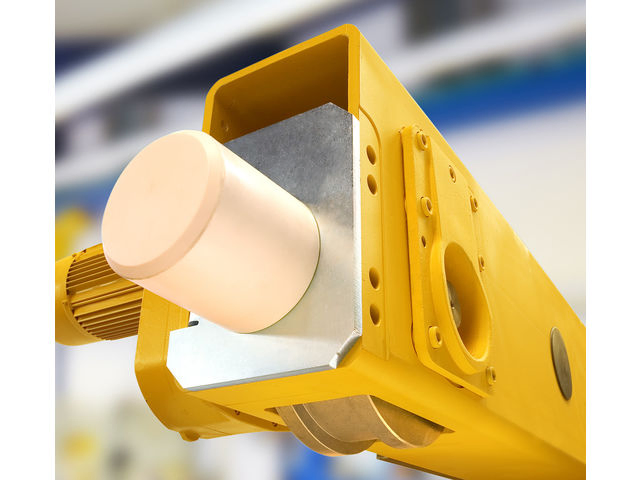
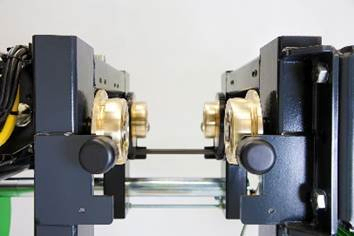
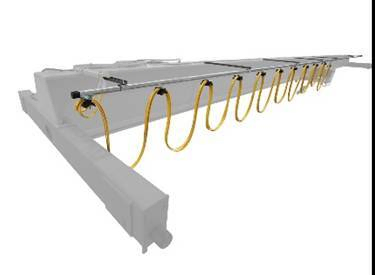
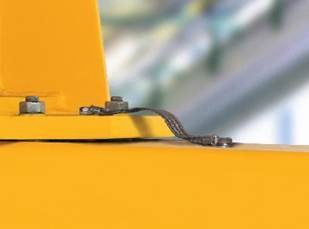
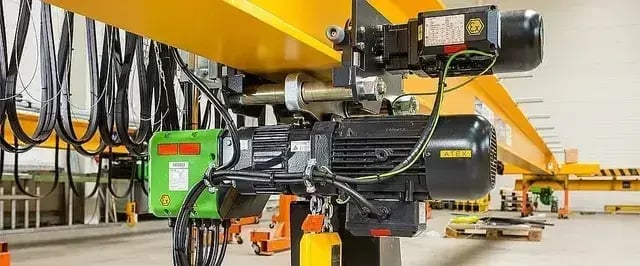
The cost of an explosion-proof overhead crane is typically 3 to 4 times higher than that of a standard crane. This difference is due to the use of specialized components designed to withstand explosion risks, and the need to comply with strict manufacturing standards. Each system requires precise wiring, in-shop testing, and a mandatory CSA SPE-1000 inspection in Canada after electrical assembly.
Lorem ipsum dolor sit amet, consectetur adipiscing elit. Etiam eu turpis molestie, dictum est a, mattis tellus. Sed dignissim, metus nec fringilla accumsan, risus sem sollicitudin lacus, ut interdum tellus elit sed risus. Maecenas eget condimentum velit, sit amet feugiat lectus.

Whether you're an expert or know nothing about cranes, you'll find everything you need to know HERE.