overhead cranes inspections

Inspections


Why have your overhead
cranes inspected?

The inspection of overhead cranes is mandatory for compliance with RSST regulations and the CSA B167-26 standard (2026 revision).


What's in it for you?

Inspections allow you to check the condition of your lifting equipment in order to prevent breakdowns and production stoppages. They increase your efficiency and ensure safety.


The 3 types of inspections

There are 3 types of inspections covered by the CSA B167-26. In all cases, certain components must be inspected based on the manufacturer's instructions, and any problems detected must be noted in the logbook. 

For more specific details, refer to the standard itself, available on the CSA Group website :
" CSA B167-26 - Overhead cranes, gantry cranes, monorails, hoists, and jib cranes "


Periodic inspection (often referred to as "annual inspection")  

Periodic inspection, often referred to as " annual inspection " (See box " Why is periodic inspection sometimes called " annual inspection "?) allows you determine the condition of the equipment by examining all components, in addition to the checks performed during frequent inspection.

Here is what it consists of :
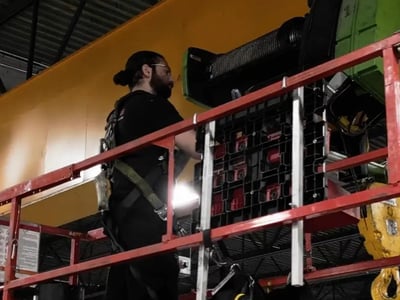
  • Performed at least once a year, or more depending on its class of use (see table " Inspection frequencies according to class of use ")
  • Must be performed by a qualified overhead crane inspector (or under their supervision)
  • Visual and auditory inspection
  • An official report must be provided and entered in the logbook
service-mise-en-service-personne-harnais

Why is periodic inspection sometimes called "annual inspection"?

Since most lifting equipment on the market is classified as light duty, periodic inspections are usually performed once a year.

But in reality, the frequency depends on the class of use, hence the term "periodic".


Operational inspection

Operational inspection consists of a series of checks to ensure the safe use of the lifting device.

Here is what it involves :personnes-operateur-tandem
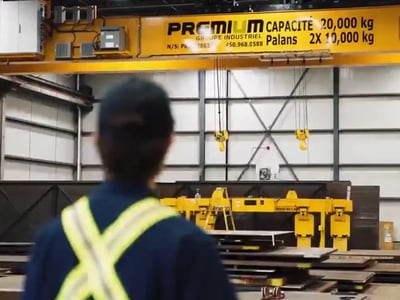
  • Performed at the start of each new shift
  • Must be performed by the operator
  • A series of power-off and power-on checks is performed before use


Frequent inspection

Frequent inspection is used to detect defects, operational problems, or damage between periodic inspections.

Here is what it consists of :

Performed at highly variable intervals (daily, weekly, monthly or every six months) depending on the class of use
  • Must be performed by a competent person during operations
  • Visual and auditory inspection


The 3 types of inspection demystified!

In accordance with the CSA B167-16 standard, lifting equipment must be inspected to ensure safety in the workplace. But how do you differentiate the different types of inspection for overhead cranes and other lifting equipment? Here's a summary of each type of inspection, to help demystify the issue.
 
  • 1. Operational inspection
  • 2. Frequent inspection
  • 3. Periodic inspection

Operational inspection

The purpose of this inspection is to check the lifting equipment before it is used for each shift. It also includes confirmation that the equipment is shut down after that shift. Both checks must be carried out by the operator himself. The aim is to look for any anomalies before use, and to ensure that the equipment is safely shut down before the next shift. All this information should be recorded in the machine's daily logbook, which should be easily accessible to operators and supervisors.
 
The inspection at the start of the shift has 2 components: a de-energized inspection of the equipment, consisting of a visual check of essential components, and an energized inspection consisting of various tests of the equipment to ensure it is working properly.
 
The stationary inspection is carried out at the end of the shift. It involves checking that the machine is safely parked before the next shift.
Overhead crane operational inspection

Who?

The operator

When?

Before and after each shift.

What

Start of shift:
on/off checks.
End of shift:
safe parking.

Objective?

Check the device before use.

Where?

On the ground.

Where to document?

Daily logbook (near the equipment).

Frequent inspection

The purpose of this inspection is to "detect faults, malfunctions and damage" to the equipment. For this reason, the inspection must be carried out by a "competent " and "qualified person " (CSA B167-16 6.4.1; 6.4.2 1) b)). It must also be carried out directly at the equipment, rather than from the ground.
 
Frequent inspection should be carried out at intervals that depend on the equipment's class of use , ranging from daily to monthly. To find out more about frequent inspection intervals for your equipment, you'll need to identify its class of use (A to F) and consult CSA B167-16 in section 6.4.1.
 
As part of the frequent inspection, the competent and qualified person will carry out an auditory and visual examination of essential equipment components, and write his or her observations in the equipment maintenance logbook.
overhead cranes frequent inspection

Who?

Competent and qualified.

When?

Daily to monthly, depending on class of use.

What

In-depth examination of essential components.

Objective?

Detect faults, operating problems or damage.

Where?

Directly on the essential components.

Where to document?

Maintenance logbook.

Periodic inspection

The purpose of this inspection is to detect anomalies "to determine if they affect the safe operation of the lifting device." (CSA B167-16 6.5.2.1). In this case, it must be carried out by an "lifting device inspector " (CSA B167-16 6.5.1.1). It must also be carried out directly at the equipment, rather than from the ground.
 
Periodic inspection must be carried out at intervals that depend on the equipment's class of use , ranging from quarterly to annually. To find out more about the periodic inspection interval for your equipment, you'll need to identify its class of use (A to F) and consult CSA B167-16 in section 6.5.1.1.
 
As part of the periodic inspection, the inspector will focus on all components of the lifting device, in addition to the frequent inspection checks. He will base his examination on the manufacturer's instructions, or failing that, on a protocol drawn up by a competent person. He will write his observations in the equipment maintenance logbook.
overhead cranes periodic inspection

Who?

Lifting equipment inspector.

When?

Quarterly to annually, depending on class of use.

What

Examination of all components.

Objective?

Identify any anomalies affecting safe operation.

Where?

Directly on all equipment.

Where to document?

Maintenance logbook.

1. Operational inspection
Overhead crane operational inspection

Who?

The operator

When?

Before and after each shift.

What

Start of shift:
on/off checks.
End of shift:
safe parking.

Objective?

Check the device before use.

Where?

On the ground.

Where to document?

Daily logbook (near the equipment).

2. Frequent inspection
overhead cranes frequent inspection

Who?

Competent and qualified.

When?

Daily to monthly, depending on class of use.

What

In-depth examination of essential components.

Objective?

Detect faults, operating problems or damage.

Where?

Directly on the essential components.

Where to document?

Maintenance logbook.

3. Periodic inspection
overhead cranes periodic inspection

Who?

Lifting equipment inspector.

When?

Quarterly to annually, depending on class of use.

What

Examination of all components.

Objective?

Identify any anomalies affecting safe operation.

Where?

Directly on all equipment.

Where to document?

Maintenance logbook.

Inspection frequencies 
for overhead crane classes     

(See clauses 6.1.3 and 6.1.4)

Class
Frequent inspection
Periodic inspection
A – Standby or infrequent service
Semi-annually
Annually
B - Light service
Monthly
Annually
C - Moderate service
Monthly
Annually
D - Heavy service
Monthly
Semi-annually
E - Severe service
Weekly
Quarterly
F - Continuous severe service
Daily
Quarterly
Unclassified or special service
As recommended by the manufacturer or an engineer

What you need to plan for during the periodic inspection

Here is a simple checklist to ensure that you are prepared for an overhead crane inspector's visit :

  • Agree on the date and approximate time of the inspector's visit, considering the expected duration of the work
  • Provide the inspector with the name and phone number of your on-site contact
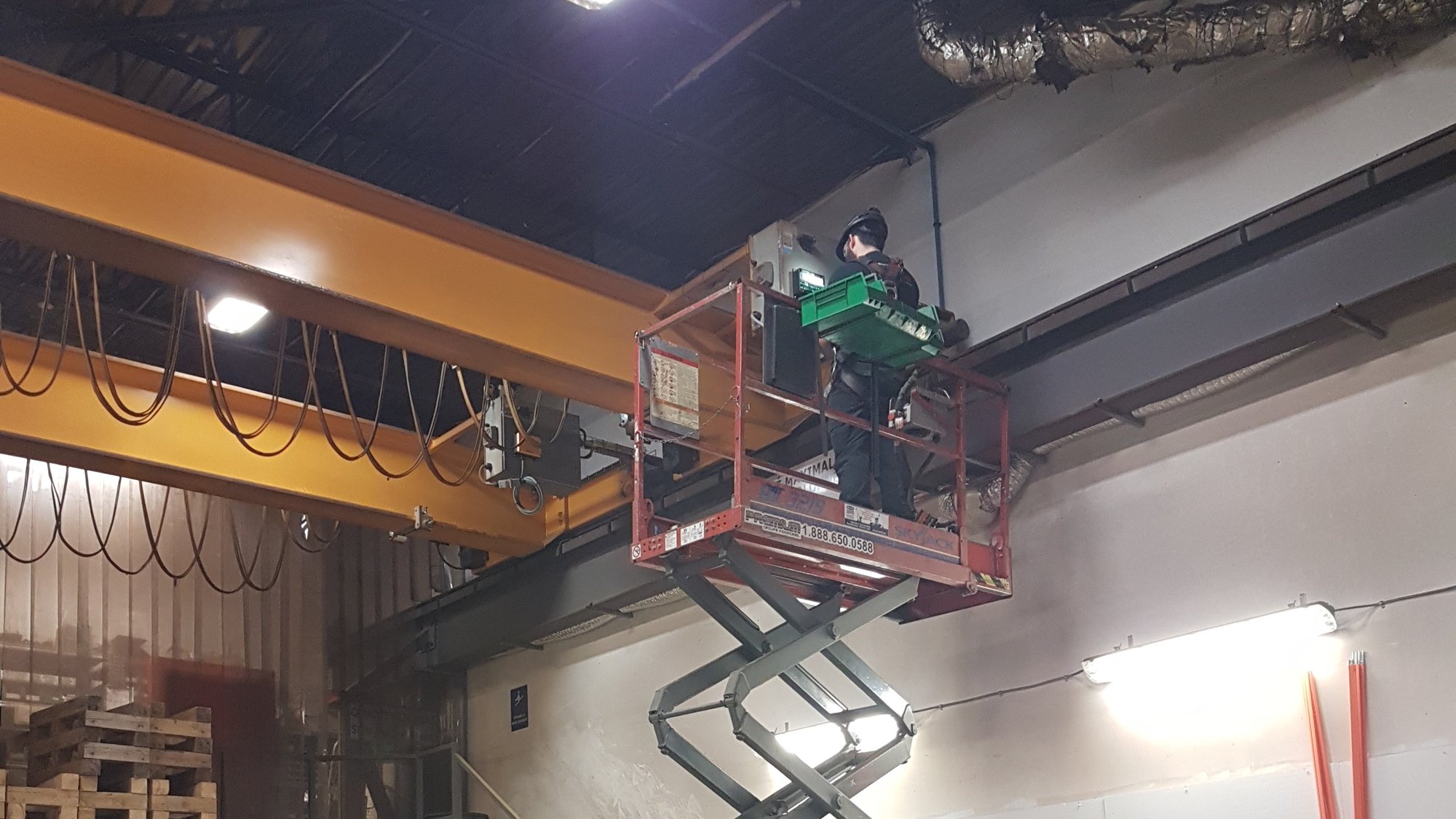
  • Ensure that a lifting platform (hydraulic scissor lift or aerial work platform) is available at the time of the inspection
  • Inform those in charge of your operations about the inspector's visit and the impact on operations.
  • Provide complete and safe access to all equipment by removing any obstacles on the ground and at height.

This verification will ensure that the inspection runs smoothly without unnecessarily hindering your operations.


What Premium can do for you

Here are the inspection services offered by Premium Industrial Group :
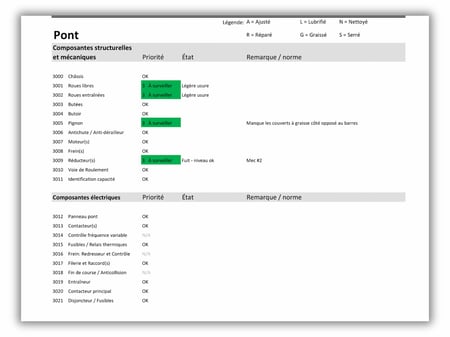
  • graphique-rapport-inspection-premium-exemplePeriodic inspections performed by a qualified and competent inspection team
  • Comprehensive reports compliant with CSA B167-26 provided, including :
    • Complete equipment data sheet
    • Condition of each component and details of any problems
    • Priority level of actions to be taken
    • Inspection certificate
    • Post-inspection quote available upon request
  • Regular follow-up on your inspections and required repairs
  • Lifting platforms available upon request during our
                        •      inspections
  • Several replacement parts available in our trucks for emergency repairs


Schedule your inspections

Do you have lifting equipment that needs to be inspected? Here's how to proceed :

1.    Check that the equipment is subject to CSA B167-26 using this table :

2.    Make an appointment now by filling out the form. Our service team will contact you to coordinate the inspection with you.
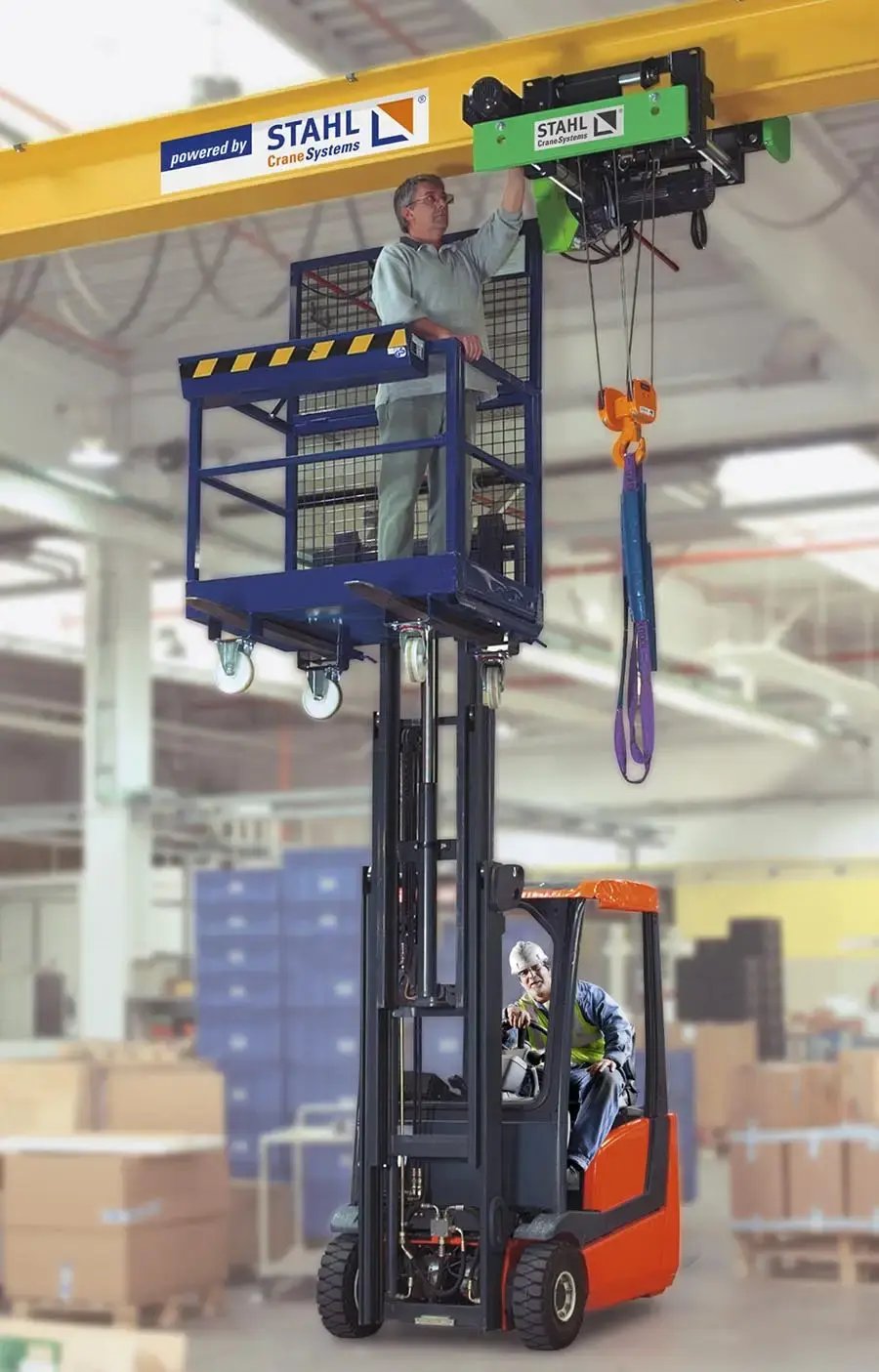
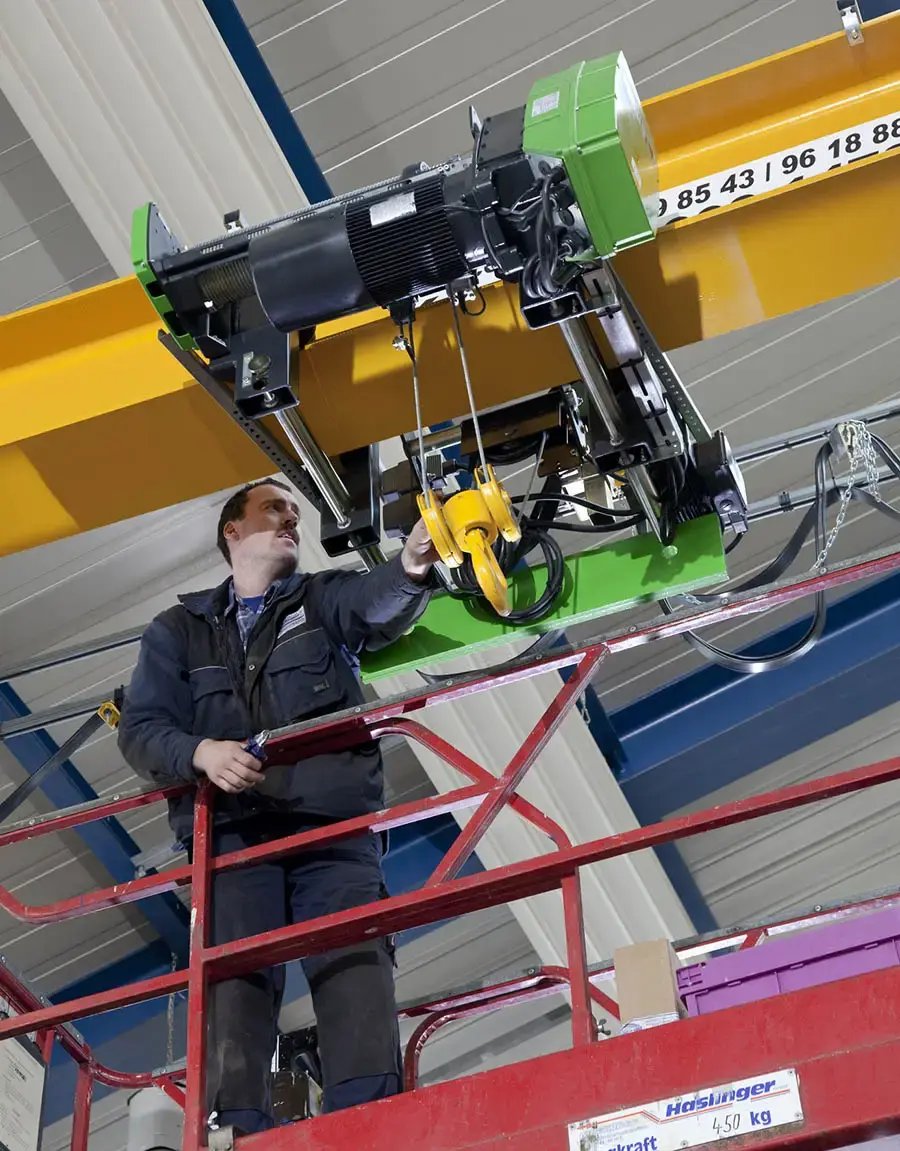
banniere-montage-double-poutre-crochet-vert
Equipment subject to these inspections


  • gg_check-o
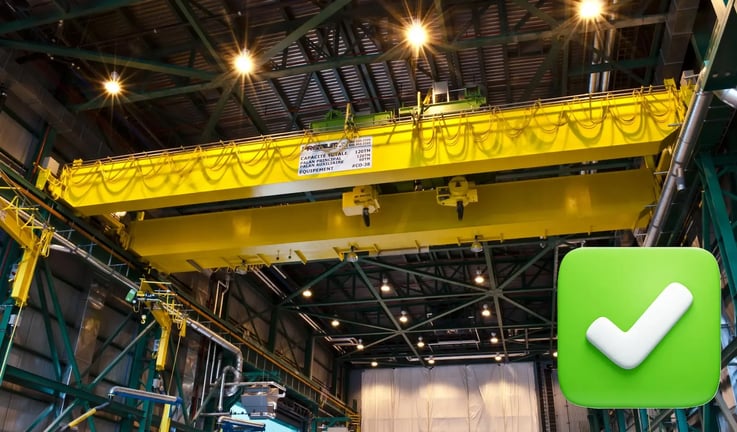
    Overhead cranes
  • gg_check-o
    Hoists
  • gg_check-o
    Jib cranes
  • gg_check-o
    Gantry cranes
  • gg_check-o
    Monorails
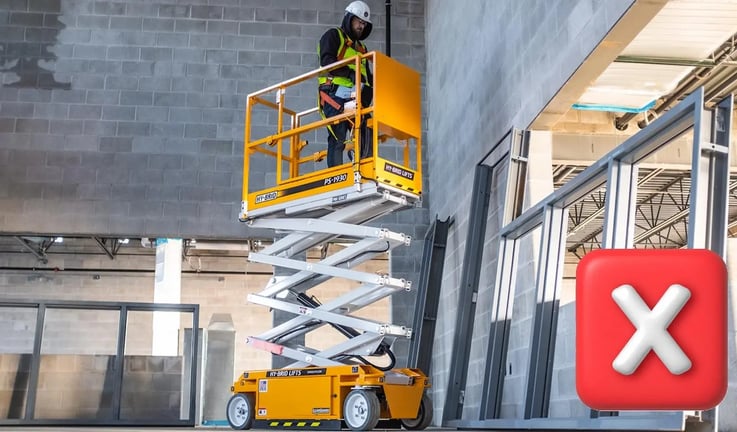
banniere-montage-ciseau-x-rouge-personne
Equipment excluded from these inspections


  • Vector (16)
    Lifting accessories (spreader bar, sling, suction pad, magnet, etc.)
  • Vector (16)
    Lifting cages
  • Vector (16)
    Fall arrests
  • Vector (16)
    Car elevators
  • Vector (16)
    Lifting platforms
  • Vector (16)
    Load elevators
  • Vector (16)
    Truck cranes

Plan your inspection

Step 1 - Describe your equipment to be inspected

- Number of equipment
- The type (e.g.; overhead crane, jib crane, monorail, gantry crane, static hoist)
- The number of hoists on each piece of equipment

Other relevant information (if available):

- Some photos of the equipment
- The last inspection report
- The annual inspection frequency or the class of use

Confirm the address where the equipment is located.

Then click on 'submit'

Step 2 - Sending confirmation

Shortly after submitting this form, you will receive a confirmation email indicating that we have received your request.

Step 3 - Receive an answer 
from our team

A member of our PREMIUM team will then contact you within 24 hours (one business day or less) to validate the information and schedule your inspection.

Keep your equipment compliant and your operations efficient with proper inspection planning. Premium Industrial Group will be happy to help you.

  •  

Frequently asked questions

01.
How to determine the frequency for frequent and periodic inspections?

 A : The interval between each frequent and periodic inspection may vary depending on its duty class. To determine the frequency of these two types of inspections, you must identify the duty class of the lifting equipment (Class A to F) and refer to the CSA B167-16 standard (section 6.4.1 for frequent inspections and section 6.5.1.1 for periodic inspections).

Additionally, the inspection frequency should also take into account the actual duty class of the lifting device, which may differ from the class for which it was originally designed.

For more information on the topic, see our article: classifications

02.
Why do overhead crane inspections?
A : Since we're dealing with equipment that lifts heavy loads, it must always be in good condition. This is essential for worker safety. That's why the aim is not just to inspect, but also to repair equipment so that it can be used safely. Above all, proper preventive maintenance is essential to ensure the safety and integrity of your lifting equipment. Also read our article : Reactive or proactive when it comes to the maintenance of your lifting equipment?
03.
How does a certificate of compliance differ from a periodic inspection?
  A : To ensure the compliance of their lifting equipment, some equipment owners request a certificate of compliance. But what is the value of such a certificate, and what guarantee does it offer To answer these questions, we suggest you read our article : Conformité des équipements de levage et de manutention.
04.
Who determines the inspection requirements for overhead cranes?
 A : These checks must be carried out in accordance with the device manufacturer's recommendations, applicable standards, and local authorities, such as the CNESST in Quebec. Although CSA B167-16 is the reference standard in Canada, the company itself may impose additional standards, taking into account certain factors related to its type of industry or work environment. These internal criteria must therefore be respected.
05.
Do you offer inspection for overhead crane structures?
To ensure the longevity of your overhead cranes and the safety of your workers, you need to regularly monitor the condition of the crane runway and other structural components. This service is offered by our sister company, Premium Industrial Structures. To find out more, visit: Overhead crane structural inspection
01

Their ability to listen to our specific needs has been a major strength. They have always responded quickly and efficiently, especially in emergency situations, which has greatly contributed to the continuity and success of our operations. I highly recommend Groupe Industriel Premium to any company looking for a reliable, structured, and responsive partner. Their professionalism and commitment to quality and safety make them a model in the industry.

Jean-Denis Perron
Groupe Picard

Schedule Your Inspection

Step 1 - Describe the equipment to be inspected

- Number of equipment units
- Type (e.g., overhead crane, jib crane, monorail, gantry crane, fixed hoist)
- Number of hoists on each piece of equipment

Other relevant information (if available):

-A few photos of the equipment
- The most recent inspection report
- Annual inspection frequency or usage class

Confirm the address where the equipment is located.

Then click "Submit".

Step 2 - Send confirmation

Once you've submitted this form, you'll shortly receive a confirmation e-mail indicating that we've received your request.

Step 3 - Receive a reply from our team

A member of our PREMIUM team will contact you within 24 hours (one business day or less) to verify the information and schedule your inspection.